
Learn About Us
Who We Are
Our story begins with a simple but powerful belief: “I need to help. I want to help. I want to be able to help.” From this commitment grew a mission dedicated to supporting individuals navigating the challenges of mental health and substance use with genuine compassion and professional care.
If its an emergency that needs immediate attention. Please dial 911.
We Are in this Together
42%
US adults who personally know someone who died of overdose
Athey A. American Journal of Public Health. March 2024.
1.4 Million
US children who have lost a family member to overdose
Verdery AM. American Journal of Public Health. September 2024
42%
US adults who personally know someone who died of overdose
Athey A. American Journal of Public Health. March 2024.1.4 Million
US children who have lost a family member to overdose
Verdery AM. American Journal of Public Health. September 2024Seek Guidance
If you’re facing challenges with substance use, we’re here to listen, guide, and support you on the path toward healing and recovery.
Discover a Solution
Discover supportive solutions and trusted resources designed to help prevent substance use and build a healthier future.
Path to Recovery & Healing
Find hope, support, and guidance on your journey to recovery—because healing from substance use is possible.
Reliable Resources
From Challenges to Courage
Offering trusted resources and support to help individuals break free from the challenges of substance use and move toward a healthier future.
Never Use Alone
Never Use Alone is a national overdose response line for people using by themselves. Volunteer operators stay on the line and alert EMS if you stop responding.
Get 24/7 Support by phone, online or by person
• 988 Lifeline: Call, text or chat with 988
• Mobile Crisis Team: will meet you in a safe place at no cost.
• Talk to someone whos’ been there: Call 1-855-peers NC (1-855-733-7762)
• Community Crisis Center: Provides fast, in-person no appointment needed.
• Visit Website: NCDHHS.gov/Crisis Services
Never Use Alone-1(800) 484-3731 www.NeverUseAlone.com
Good Samaritan Law
The NC 911 Good Samaritan Laws protect anyone who seeks help during a drug overdose from prosecution for small amounts of drugs, paraphernalia, or underage drinking.
Protects bystanders who offer emergency care from civil
liability if something goes wrong.
Get 24/7 Support by phone, online or by person
• 988 Lifeline: Call, text or chat with 988
• Mobile Crisis Team: will meet you in a safe place at no cost.
• Talk to someone whos’ been there: Call 1-855-peers NC (1-855-733-7762)
• Community Crisis Center: Provides fast, in-person no appointment needed.
• Visit Website: NCDHHS.gov/Crisis Services
Resources
Connecting with Community Resources – Contact Opioid Program Coordinator, Angela Lottman, for guidance to local support services.
Get 24/7 Support by phone, online or by person
• 988 Lifeline: Call, text or chat with 988
• Mobile Crisis Team: will meet you in a safe place at no cost.
• Talk to someone whos’ been there: Call 1-855-peers NC (1-855-733-7762)
• Community Crisis Center: Provides fast, in-person no appointment needed.
• Visit Website: NCDHHS.gov/Crisis Services
Community Resources
• Currituck Resource Center: https://www.currituckresourcecenter.org/
252-453-2595
• Trillium: Trilliumhealthresources.org
• Interfaith Community Outreach: www.interfaithoutreach.com 252-453-3358
• Albermarle Regional Health Services: www.arhs-nc.org Currituck Office 252-232-2271
Self Help Apps-
Never Use Alone
Never Use Alone is a national overdose response line for people using by themselves. Volunteer operators stay on the line and alert EMS if you stop responding.
Get 24/7 Support by phone, online or by person
• 988 Lifeline: Call, text or chat with 988
• Mobile Crisis Team: will meet you in a safe place at no cost.
• Talk to someone whos’ been there: Call 1-855-peers NC (1-855-733-7762)
• Community Crisis Center: Provides fast, in-person no appointment needed.
• Visit Website: NCDHHS.gov/Crisis Services
• Good Samaritan Law– Protects bystanders who offer emergency care from civil liability if something goes wrong.
Peer Warmline
You are not alone. Get support for mental health, substance use, or if you just need someone to talk to. If this is a life-threatening emergency, call 911 and ask for a CIT (Crisis Intervention Team) Officer.
Get 24/7 Support by phone, online or by person
• 988 Lifeline: Call, text or chat with 988
• Mobile Crisis Team: will meet you in a safe place at no cost.
• Talk to someone whos been there: Call 1-855-peers NC (1-855-733-7762)
• Community Crisis Center: Provides fast, in-person no appointment needed.
• Visit Website: NCDHHS.gov/Crisis Services
• 24 hours a day: (1-855-733-7762)
Prevention & Treatments
Hope for healing without the harm.
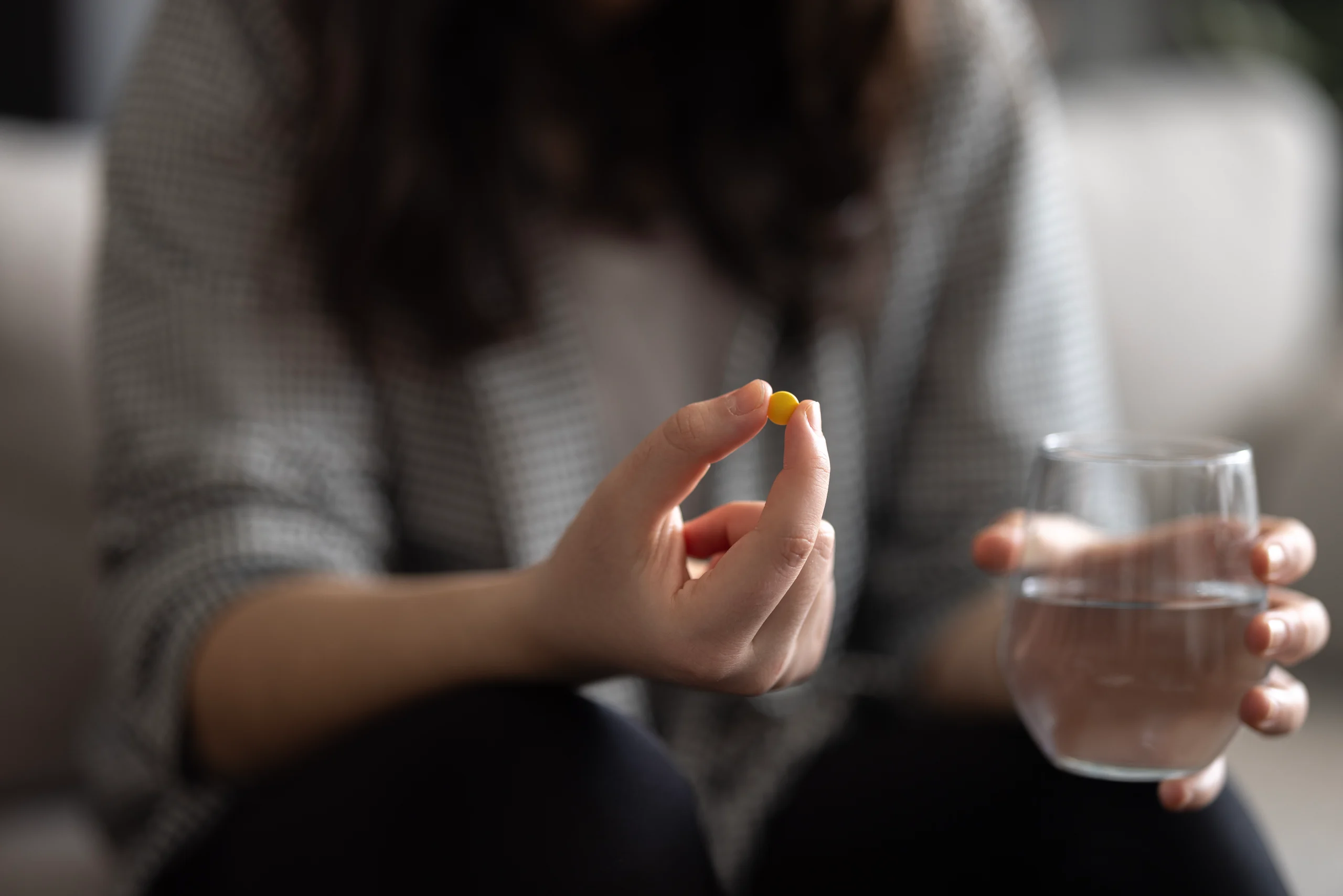
Living with pain can be tough, but opioids aren’t the only answer. From physical therapy, exercise, and yoga to simple over-the-counter medications like ibuprofen or acetaminophen, there are many safer ways to manage pain and support healing.

Relief Beyond Medication
Non-Opioid Treatments
- Physical Therapy
- Acupuncture
- Exercise
- Meditation
- Yoga
- Practicing Mindfulness
- Mental Health/Trauma Counseling
Safer Solutions
Managing Pain
There are many methods to treat chronic pain other than Opioids. Some may find that over counter (OTC) medications are sufficient, such as:
- Ibuprofen (Motrin)
- Acetaminophen (Tylenol)
- Aspirin (Bayer)
However, for those who still struggle with pain management and require more intense therapy, there are still alternative options. Talk to your doctor or medical professional for more information on options other than opioids.
Naloxone
What you need to know.
Naloxone is a medicine that rapidly reverses an opioid overdose. It is an opioid antagonist. This means that it attaches to opioid receptors and reverses and blocks the effects of other opioids.
Learn More



Be Aware, Get Educated
Alternatives That Support Healing
Knowledge is a powerful tool in the fight against opioids. By accessing resources, learning the facts, and raising awareness, individuals and communities can prevent misuse, respond in times of crisis, and support one another on the path toward recovery and healing.
Medically Assisted Treatment (MAT) is a type of healthcare that helps people recover from addiction—especially addiction to opioids like heroin, fentanyl, and prescription painkillers.
It combines medication, counseling, and behavioral support to help people safely reduce cravings and avoid relapse.
VBOT – https://projectvbot.com/
Nagshead Treatment Center – https://nagsheadtreatment.com/
Counseling Services that include Substance Abuse Counseling in Currituck County:
Peaceful Waters – https://peacefulwaterscounseling.com/
Holland and Associates – https://hollandassociatesobx.com
Out of the county treatment options:
Wilmington Treatment Center
800.992.3671
Walter B Jones Alcohol & Drug Abuse Treatment Center
252.830.3426
Virginia Beach Psychiatric Center
757.496.6000
Out of the county treatment options continued:
Triangle Residential Options for Substance Abusers
919.419.1059
The Farley Center at Williamsburg Place
866.470.7830
The Blanchard Institute
704.247.1629
PORT Health Detox Centers
252.561.6084
Loaves & Fishes
252.838.1156
House of Prayer
336.882.1026
Holly Hill Hospital
919.250.7600
Fellowship Hall
800.659.3381
Dove’s Nest
704.333.4673
Children’s Hospital of the King’s Daughter Pediatric Psychology
757.668.7247
Albemarle Teen Challenge
252.338.826
Harm reduction is a way of preventing disease and promoting health that “meets people where they are” rather than making judgments about where they should be in terms of their personal health and lifestyle.
- Needle and syringe exchange programs Syringe Services Programs. (SSPs)
- Confidential counseling and testing for HIV, hepatitis, and other sexually transmitted or bloodborne infections.
- Overdose prevention activities, including Naloxone. (Narcan)
- Provision of primary care and treatment for HIV and other sexually transmitted or bloodborne infections.
- Referrals to drug treatment programs.
- Wound Care
Harm Reduction: What We Do:
We make leave behind kits with Harm reduction education, resources and tools (Narcan, fentanyl test strips, Xylazine test strips) we distribute in the community.
Resources for Justice-Involved individuals
Support for family and friends of those who struggle
Referrals to Social Services and outside agencies
Substance Abuse Disorder Information:
Substance Use Disorder (SUD) is a chronic, treatable medical condition that affects the brain’s reward, motivation, and decision-making systems, often leading individuals to continue using substances despite harmful consequences. It can involve alcohol, prescription medications, or illicit drugs and is influenced by a combination of genetic, psychological, social, and environmental factors. Common features include cravings, loss of control, tolerance, and withdrawal symptoms, which can make quitting difficult without support. Effective treatment typically combines counseling, behavioral therapies, peer support, and, when appropriate, medication-assisted treatment to address both physical dependence and underlying emotional or mental health needs. Recovery is a long-term process that may include setbacks, but with consistent support, healthy coping strategies, and access to resources, individuals can improve their quality of life, rebuild relationships, and maintain long-term stability. For more information: https://www.samhsa.gov/
AA/NA Meetings:
https://www.aa.org/
http://www.aaobx.com/
New Life Church in Barco, Meetings on Tuesdays at 7PM
http://www.newlifecurrituck.org
Sober Living
Oxford Houses- www.oxfordhousenc.org
Recovery & Treatment Terms
Recovery – Ongoing process of change toward health and wellness.
Sobriety – Abstinence from substances.
Abstinence – Complete avoidance of substances.
Harm Reduction – Reducing negative effects of use.
Medication-Assisted Treatment (MAT) – Using medication plus therapy.
Detoxification (Detox) – Medically managed withdrawal.
Inpatient Treatment – Residential treatment.
Outpatient Treatment – Non-residential services.
Aftercare – Continued support after treatment.
Relapse Prevention – Strategies to avoid returning to use.
Recovery-Oriented System of Care (ROSC) – Coordinated support services.
Common Behavioral & Usage Terms
Binge Use – Heavy use in a short period.
Chronic Use – Long-term, repeated use.
Polysubstance Use – Using multiple substances.
Misuse – Using in ways not prescribed or intended.
Abuse – Harmful use (older term, less preferred now).
Self-Medication – Using substances to cope emotionally.
Compulsive Use – Use despite negative consequences.
Loss of Control – Inability to limit use.
Overdose – Taking a toxic amount.
Blackout – Memory loss during use.
Cross-Tolerance – Tolerance to similar substances.
High-Risk Behavior – Actions increasing harm.
Trigger – Situation or emotion that increases urge to use.
Comorbidity – Presence of multiple disorders.
Naloxone (Narcan) – Medication to reverse opioid overdose.
FAQ
Have questions about opioids? You’re not alone. Here you’ll find simple answers and helpful information to stay safe, get support, and find the help you need.
What are opioids and how do they work?
(Opioids and Heroin work the same way)
- Prescription opioids are powerful pain-reducing medications.
- Opioids attach to and activate opioid receptors located in many areas of the brain, spinal cord, and other organs in the body, especially those involved in feelings of pain and pleasure.
How do people use opioids?
Prescription opioids are prescribed by doctors to treat pain, when used as prescribed and for a short time Opioids are relatively safe. When they are misused, they can be dangerous.
What are the most commonly used prescription opioids?
- Hydrocodone (Vicodin, Lortab, and Norco)
- Oxycodone (Oxycontin and Percocet)
- Morphine (Kadian and Avinza)
- Codeine
- Fentanyl
Referral Form
Take the First Step Toward Healing
Asking for help takes courage—and it’s the first step toward feeling better. Share a few details, and we’ll connect you to the right people and programs for your needs. If its an emergency that needs immediate attention. Please dial 911.